bravonews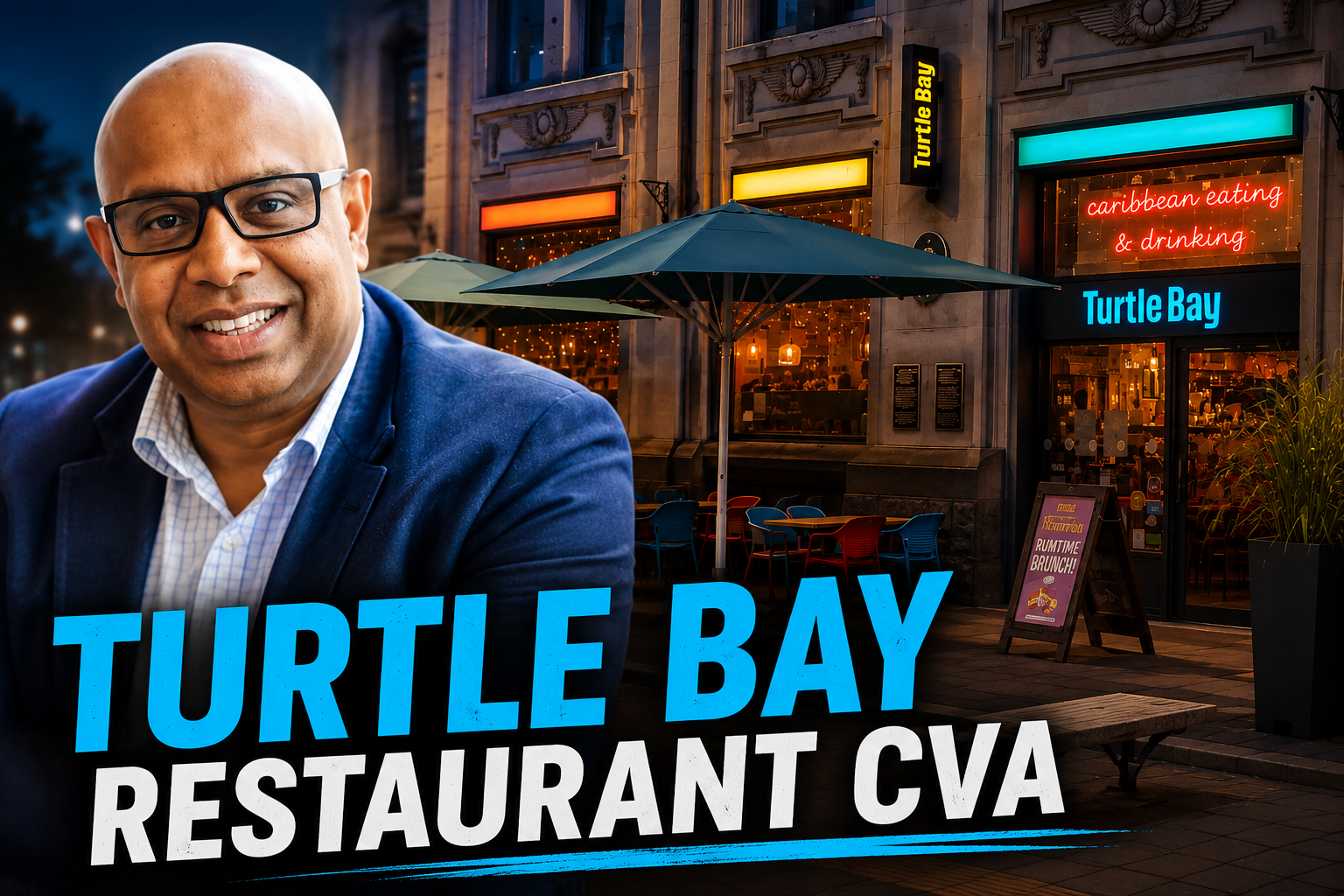
The Meaning of a CVA
A CVA stands for Company Voluntary Arrangement, which is a legal process used by businesses in financial trouble. What it means is that the company works with its creditors to agree on a plan for paying debts over time instead of closing the business. This arrangement gives the business an opportunity to continue operating while making financial improvements. In many cases, landlords, suppliers, and other creditors vote on whether they accept the proposal. If approved, the company follows the agreed plan while focusing on long-term recovery.
Why People Search for Turtle Bay Restaurant CVA
Many people search for turtle bay restaurant cva because they have seen news about restaurant closures or business restructuring. Customers often want to know whether their local restaurant will remain open or whether the brand is facing serious problems. Employees may also want to understand how such financial decisions could affect their jobs. The growing interest comes from a desire to understand how large restaurant businesses manage difficult economic situations.
The Background of Turtle Bay
Turtle Bay is a well-known restaurant chain inspired by Caribbean food, colorful interiors, and a relaxed dining atmosphere. Over the years, it has become popular for serving dishes influenced by Caribbean flavors along with tropical drinks and lively music. The company expanded across many locations and attracted customers looking for something different from traditional restaurant experiences. This popularity helped build a strong brand with loyal visitors.
What Led to Financial Challenges
Restaurant businesses often face many financial pressures at the same time. Rising food prices, higher staff wages, increased energy costs, and changing customer spending habits can all reduce profits. What it means is that even busy restaurants can struggle when operating costs increase faster than sales. Economic uncertainty can also make people eat out less often, creating additional pressure on restaurant chains.
How a CVA Helps a Restaurant Business
The purpose of a CVA is to give a business time to recover instead of forcing it into liquidation. The company can negotiate new payment terms with creditors while continuing daily operations. This allows management to focus on improving efficiency, reducing costs, and protecting profitable locations. For many businesses, this creates a better chance of survival compared to immediate closure.
Impact on Restaurant Locations
One possible result of turtle bay restaurant cva is that some locations may close while stronger branches continue operating. Businesses often review every restaurant to determine which ones are profitable and which ones are losing money. Closing weaker locations can reduce expenses and improve the company’s overall financial position. Although closures can be disappointing, they may help protect the rest of the business.
What Customers Should Know
For customers, a CVA does not automatically mean the restaurant chain will disappear. Many locations continue serving food as normal throughout the restructuring process. Diners can usually visit open branches, order meals, and enjoy the same menu and service. In many cases, customers notice very little difference during the restructuring period.
How Employees May Be Affected
Employees naturally become concerned whenever financial restructuring is announced. Some workers may continue in their current roles without major changes, while others could be affected if certain branches close. Many businesses try to move staff to nearby locations whenever possible. Keeping experienced employees often helps maintain service quality during the recovery process.
The Role of Landlords
Landlords play an important role during a CVA because many restaurants operate in rented properties. They may agree to revised rental payments or other financial arrangements as part of the restructuring. This cooperation can make it easier for the business to remain financially stable while continuing to occupy suitable locations.
Suppliers and Business Relationships
Restaurant chains depend on suppliers for fresh ingredients, drinks, kitchen equipment, and other essentials. During a CVA, maintaining strong supplier relationships becomes very important. Businesses often communicate openly with suppliers to ensure deliveries continue smoothly while financial agreements are managed responsibly.
Customer Confidence Matters
A successful restaurant depends heavily on customer trust. When people hear about financial restructuring, they may worry that food quality or service will decline. However, businesses usually work hard to maintain high standards because satisfied customers generate the income needed for recovery. Positive dining experiences help rebuild confidence and encourage repeat visits.
The Importance of Strong Management
Experienced management teams are essential during challenging periods. Leaders must make careful financial decisions while also supporting employees and maintaining customer satisfaction. Good communication, careful planning, and realistic budgeting all contribute to improving business performance after restructuring begins.
How the Restaurant Industry Changes
The restaurant industry constantly changes because customer preferences, economic conditions, and operating costs continue to evolve. Businesses that adapt quickly often perform better over time. This may involve updating menus, improving digital ordering systems, offering promotions, or redesigning restaurant spaces to attract more visitors.
Lessons Businesses Can Learn
The story behind turtle bay restaurant cva teaches valuable lessons about financial planning and adaptability. Businesses should monitor expenses carefully, respond quickly to changing market conditions, and build strong relationships with customers. Preparing for unexpected economic challenges can improve long-term stability and reduce financial risks.
Common Misunderstandings About CVAs
Many people believe a CVA means a company has completely failed, but that is not true. What it means is that the business is trying to recover through a structured financial agreement. A CVA is designed to help companies survive difficult periods rather than close permanently. Many businesses have successfully continued trading after completing similar restructuring processes.
Looking at the Future
The future of any restaurant business depends on its ability to attract customers, manage costs, and respond to market changes. A successful restructuring can create opportunities for growth and improved financial performance. Businesses that learn from past challenges often become stronger and more efficient over time.
Why Transparency Is Important
Open communication helps reduce confusion during financial restructuring. Customers, employees, suppliers, and landlords appreciate honest updates about business decisions. Clear communication also strengthens trust and helps people understand the reasons behind difficult choices such as restaurant closures or operational changes.
What Turtle Bay Restaurant CVA Means for Customers
For most diners, turtle bay restaurant cva simply means the company has taken steps to improve its financial health. Customers can continue visiting open restaurants while the business works through its recovery plan. The overall goal is to protect the brand, maintain quality, and provide enjoyable dining experiences for years to come.
Key Takeaways
Understanding turtle bay restaurant cva becomes much easier once you know what a Company Voluntary Arrangement is and why businesses use it. Financial restructuring is not always a sign that a company will disappear. Instead, it often represents an opportunity to solve financial problems while keeping the business running. What it means is that careful planning, responsible management, and continued customer support can help a restaurant chain move toward a stronger future.
Conclusion
The topic of turtle bay restaurant cva highlights how businesses sometimes need financial restructuring to remain competitive in a changing market. Rising operating costs, economic uncertainty, and changing customer habits have challenged many restaurant chains in recent years. A CVA provides a legal pathway for businesses to reorganize their finances while continuing to serve customers. Although some locations may close during the process, the main goal is to protect the company’s future and preserve as many jobs and restaurants as possible. By understanding how a CVA works, customers can better appreciate the efforts businesses make to overcome financial challenges and continue providing quality dining experiences.
FAQs
What does turtle bay restaurant cva mean?
It refers to Turtle Bay using a Company Voluntary Arrangement to help manage financial challenges while continuing to operate.
Does a CVA mean all Turtle Bay restaurants close?
No. A CVA usually allows many restaurants to remain open while only some locations may close if necessary.
Can customers still visit open Turtle Bay restaurants?
Yes. Restaurants that remain open continue serving customers as usual during the restructuring process.
Why do restaurant companies use a CVA?
They use it to reorganize debts, reduce financial pressure, and improve their chances of long-term success.
Is a CVA better than closing the business?
In many situations, yes. A CVA can help a company continue trading, protect jobs, and give it an opportunity to recover financially.